 America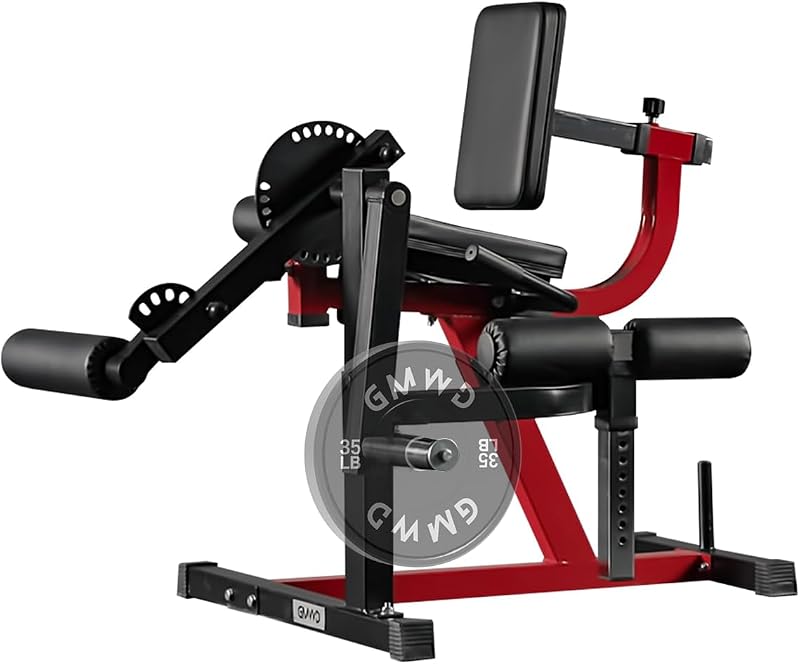
Best-of
Best Leg Extension Machines for Home Gyms (2026)
GMWD, JELENS and Mikolo — pad geometry, safety stops, plate loading, and who actually needs one at home.
All-in-one machines, cable systems, smart gyms. Independent reviews and head-to-head comparisons — ranked on build quality, value, and what actually holds up under load.
A home gym system trades the versatility of free weights for safety, compactness, and speed. Done right, a functional trainer or all-in-one machine covers 80% of a commercial gym in the footprint of a couch. Done wrong, you own a very expensive coat rack.
We look at weight stacks versus plate-loaded designs, cable travel and pulley ratios, the real number of usable exercises, assembly difficulty, ceiling height requirements, and whether subscription-based smart gyms still work when you stop paying.
A cable stack does more per square foot than any other single purchase, which is why cable machines and functional trainers anchor this category. Three questions decide whether one fits your space: how the weight stack is rated (some manufacturers quote plate weight, others the resistance after the pulley ratio, and the difference is roughly half), whether the attachments you want are included or sold separately, and how much clearance the frame needs behind and above it. All-in-one systems trade some of that flexibility for a smaller footprint and a single delivery, which is the right trade for some rooms and the wrong one for most garages.
GMWD, JELENS and Mikolo — pad geometry, safety stops, plate loading, and who actually needs one at home.

Big mats, puzzle tiles or a roll-up? Three formats for three different jobs — and which one you actually need.

Break up the stillness — habits that survive deadlines, standing desk realism, and desk gear ranked honestly.

Studio pilates at home: wooden vs foldable frames, spring quality and carriage glide — with the young review bases flagged.

Glute training without wrestling a barbell: band and plate-loaded thrust machines — young class, honestly flagged.

The one machine bodyweight training can't replace: standalone pulldown towers compared on pulleys, loading and height.

Posterior-chain work without a barbell — 45° benches vs adjustable Roman chairs, in a category we had to filter hard.

One delivery, whole gym: Smith-plus-cage-plus-cables systems compared, and the honest limits of buying it all at once.

Five phases, in order — what to buy first, what to defer, and the early purchases people regret most.

Weight stacks, pulley ratios and adjustment positions — three ways to get dual-cable training into a home gym.

Leg press/hack squat combos compared on linear bearings, capacity and footprint — and an honest note on who shouldn't buy one.

Measure before you buy: which racks, machines and movements actually work under 7, 8 and 9-foot ceilings.

Weight-stack stations, plate-loaded towers and budget pulley systems compared on smoothness, footprint and how many exercises you actually get.

SunHome, pooboo and RitFit all-in-one Smith systems compared on bar path, cable stations, footprint and the assembly day nobody warns you about.