 America
What Each Plate Actually Is
An iron plate is a cast disc of metal, sometimes rubber-coated or urethane-coated, with a machined center hole. It is dense, so a 45 lb plate is thin, and it is cheap per pound because iron is cheap. It is also loud, it chips floors, and dropping a bar loaded with it is a good way to bend the bar and crack the plate.
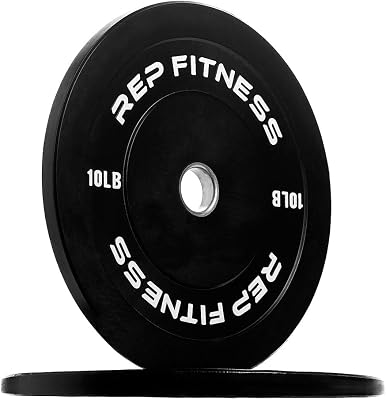
A bumper plate is a full-diameter disc of dense rubber around a steel insert. Every bumper, whether 10 lb or 45 lb, is the same 450 mm diameter so the bar sits at the same height off the floor regardless of load — the reason Olympic lifts start from a consistent position. Rubber absorbs the drop; that is the whole reason bumpers exist, and the reason they cost more per pound and take up more sleeve.
The Only Question That Really Matters: Do You Drop the Bar?
If you deadlift and let the bar down under control, squat in a rack, and bench, you never need bumpers. Iron does everything those lifts ask, costs less, and fits more weight on a sleeve. The floor takes a controlled set-down from any plate type with a rubber mat underneath.
If you do Olympic lifts, drop deadlifts from lockout, or train in a way where the bar sometimes has to be dumped fast, you need bumpers — not for the floor, primarily, but for the bar. A loaded barbell dropped on iron plates transmits the shock into the sleeves and shaft; do it enough and the bar bends. Bumpers absorb that. Our bumper plate roundup covers the low-bounce plates that land dead rather than hopping.
Cost, Sleeve Space and the Ten-Pound Problem
Iron wins on cost per pound, usually by a wide margin, and it wins on sleeve space: four 45 lb iron plates take a fraction of the length that four rubber 45s do. On a standard bar with 16-inch sleeves, a heavy deadlift in bumpers can run out of room for collars before it runs out of strength. Competition-style bumpers are thinner and denser, which is exactly what you pay a premium for.
The ten-pound problem cuts the other way. A 10 lb bumper at full diameter is thin, so it flexes and cracks when dropped, especially alone on the bar. Every brand’s 10s and 15s are the weak link. Most experienced lifters buy bumpers in 25s and 45s only, then use iron or change plates for the small jumps — which is the first hint that a mix is the sensible answer.
Floor, Noise, and Neighbors
Iron on a bare garage slab is loud, chips the concrete, and chips the plates. Rubber-coated iron is quieter and kinder to floors but still not something to drop. Bumpers on a rubber mat or platform are the quietest way to put a loaded bar on the floor, and the only way to do it repeatedly without consequences.
Whichever you choose, the floor matters as much as the plate. Our home gym flooring roundup and the garage gym planning guide cover thickness, and the short version is that half-inch rubber under a deadlift zone is the difference between a slab that lasts and one that spalls.
The Answer for Most Home Gyms: A Mix, in This Order
Start with a pair of 45 lb bumpers and a pair of 25s if you deadlift or clean; they protect the bar and the floor on the lifts where drops happen. Fill the small jumps with iron — 10s, 5s and 2.5s — because thin bumpers are fragile and iron change plates are cheap and slim. Add iron 45s later when your deadlift outgrows your sleeve length, loading them inside the bumpers so the rubber still hits the floor first.
If you never drop the bar, invert that: iron first, all of it, and spend the savings on a better bar or a bench. Our weight plate roundup covers iron and rubber-coated options; the bumper roundup covers rubber. Buying one type exclusively is the choice people revise later.
Mistakes That Cost Money
Buying bumper 10s and 15s as drop plates, then watching them crack. Buying a full 300 lb iron set because it was cheap, then discovering you cannot drop a clean on it. Buying wide budget bumpers and running out of sleeve on a bar with short sleeves. Loading iron outside bumpers so the iron hits the floor first and the rubber does nothing.
And the quiet one: buying all your plates on day one. Strength arrives slowly, and plates bought a pair at a time as you need them are plates bought at the right size, from a brand you have had a year to judge.
Common Questions, Answered
Can you mix bumper plates and iron plates on the same bar?
Yes, and most home lifters do. Put the bumpers on the inside so the rubber touches the floor first, and the iron outside for the small jumps. Mixing full-diameter bumpers with smaller-diameter iron on a bar you intend to drop is fine as long as the bumpers are the ones making contact.
Are bumper plates worth it if I only deadlift?
If you lower the bar under control, no; iron is cheaper and takes less sleeve. If you let the bar fall from lockout on heavy pulls, yes, for the bar’s sake. Many deadlifters buy one pair of 45 lb bumpers for exactly that reason and use iron for everything else.
Do bumper plates damage concrete?
Far less than iron, but repeated drops on bare concrete will eventually mark the slab and crack the plates. Put rubber flooring or a platform under the drop zone regardless of plate type.
Why are bumper plates more expensive?
Rubber costs more than cast iron per pound, the steel insert adds a manufacturing step, and low-bounce, tight-tolerance rubber costs more still. Competition bumpers add calibration and thinner, denser rubber on top of that.
Related Guides


About This Guide
Written by Mike Callahan, AmericaLifts’s founder and editor. Our educational guides follow the same standard as our reviews — see the editorial policy. Nothing on this page is medical or personalized training advice; if you have an injury or health condition, talk to a qualified professional first.
Note: General guidance for home lifters. Bar and plate load ratings vary by manufacturer; always stay inside the bar’s rated capacity and drop only onto a surface built for it. Nothing here is medical or safety advice for a specific setup.