 America
The CAP Barbell 3-in-1 wood box is the pick for most home gyms — three heights from one box, from an established brand. The BalanceFrom foam box is the one to buy if you value shins over bragging rights, and the VEVOR steel box is the durable choice for garages and outdoor use.
How These Picks Were Chosen
We held the 4.3-star floor and split the picks by construction — wood, foam and steel — because that is the real decision here, not brand. Within each format we ranked on stability under a hard landing, the honesty of the height options (3-in-1 boxes are only useful if all three faces are actually stable), landing-surface grip, and assembly reports. Established brands were preferred under our premium-first standard; where a pick has a modest review base, the card says so.
1. Best Overall: CAP Barbell 3-in-1 Plyometric Box
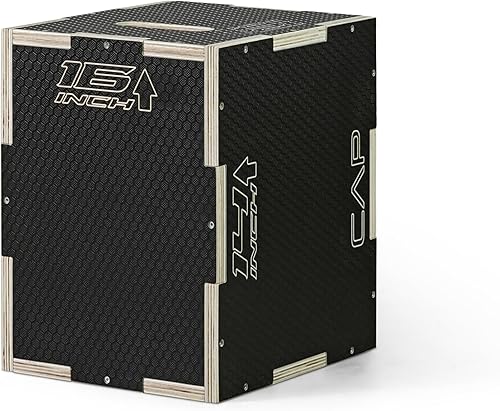
CAP Barbell 3-in-1 Plyometric Box
CAP Barbell · 4.6★ from 355 verified ratings
- Three heights from one box — flip it to change
- Wood construction with a grippy landing surface
- From the brand behind our plates, bars and hyperextension picks
- Best rating among the wood boxes we found
Why we picked it: CAP keeps earning slots on this site by building simple things properly, and its 3-in-1 is the plyo box most home gyms should own: three usable heights from one object, a landing surface with real grip, and joinery that stays square after months of impact. Trade-offs, stated honestly: wood edges are unforgiving — this is the format that bites shins — and assembly is a genuine project with a lot of screws. If you are new to box jumps, read the safety section below before you buy any wood box.
2. Best for Safety: BalanceFrom 3-in-1 Foam Plyometric Box

BalanceFrom 3-in-1 Foam Plyometric Box
BalanceFrom · 4.5★ from 229 verified ratings
- Soft foam edges — a missed jump bruises, not bleeds
- Three heights in one box like the wood version
- Lighter to move and reposition
- The sensible choice for beginners and shared households
Why we picked it: Foam boxes exist because wood boxes hurt, and that is not a joke — shin lacerations from missed box jumps are the single most common plyo-box injury. The BalanceFrom gives you the same 3-in-1 height options with edges that forgive a bad rep, which in practice means you will attempt the height you should be training rather than the one you feel safe with. Trade-offs: foam compresses slightly under landing, so it feels less dead than wood, and heavy step-ups can dent the surface over time.
3. Best Steel: VEVOR 18″ Steel Plyometric Jump Box

VEVOR 18″ Steel Plyometric Jump Box
VEVOR · 4.5★ from 673 verified ratings
- Welded steel — the most durable format here
- Largest owner base of our three picks
- Non-slip platform surface
- Handles damp garages and outdoor use
Why we picked it: Steel is the format that survives a garage: no swelling in humidity, no dented foam, no joints to loosen, and the biggest owner base on this page confirming it holds up. For step-ups, dips and box squats — the non-jumping uses that make up most of a box’s life — the rigidity is genuinely nicer underfoot. Trade-offs: fixed height means one box, one option, and steel edges are every bit as unforgiving as wood. Heavy enough that you will place it once and leave it.
Side-by-Side Comparison
| Pick | Brand | Material | Best for | Heights | Owner base | See price |
|---|---|---|---|---|---|---|
| Best Overall | CAP Barbell | Wood, 3-in-1 | Most home gyms | 3 heights | 355 owners at 4.6 | Check price |
| Best for Safety | BalanceFrom | Foam, 3-in-1 | Beginners, families | 3 heights | 229 owners at 4.5 | Check price |
| Best Steel | VEVOR | Steel, fixed | Garages, durability | 18 in | 673 owners at 4.5 | Check price |
Buying Considerations
Shins first, ego second. Missed box jumps are how people get hurt on this equipment, and the injury is almost always the same — the edge of the box meets the front of the leg. Foam boxes remove most of that risk; wood and steel do not. Start lower than your ego wants, step down rather than jumping down, and stop the set the moment your landings get sloppy. Nothing here is medical advice.
3-in-1 only counts if all three faces are stable. Flip-format boxes are excellent value when built square, and wobbly when not. Owner reviews mentioning rock or lean on one particular face are the warning sign — a box that is stable on two of three heights is a one-height box you overpaid for.
The box does more than jumps. Step-ups, Bulgarian split squats, elevated push-ups, box squats, dips and seated work all live on this one object — which is why the non-jumping specs (surface grip, rigidity, height suitability) matter as much as jump performance. Our progressive overload guide covers programming the step-up progressions.
Match height to your training, not the internet. Twenty-inch and twenty-four-inch boxes dominate videos; most people train better on lower heights with clean landings. A 3-in-1 sidesteps the guess entirely, which is the main argument for the format over a single tall box.
So Which One Should You Buy?
Most home gyms: the CAP 3-in-1 wood. Three heights, proper build, established brand.
Beginners and shared households: the BalanceFrom foam. The format that forgives the rep you miss.
Garages and hard use: the VEVOR steel. The most durable of the three, with the biggest base here.
Ready to buy?
Jump straight to our picks on Amazon — check the current price at click-through.
FAQ
What are the best plyo boxes in 2026?
The CAP Barbell 3-in-1 Plyometric is our best overall (4.6★ from 355 ratings): three heights from one box — flip it to change. If that is not the right fit, BalanceFrom 3-in-1 covers the best for safety case and VEVOR 18″ the best steel. We verify listings rather than lab-test, which is why the reasoning is on the page.
What height plyo box should I start with?
Lower than you think — many people are best served starting around knee height and progressing only when every landing is quiet and controlled. Height is not the training variable that matters most; landing quality is. A 3-in-1 box lets you progress without buying again.
Are foam plyo boxes stable enough for real training?
For jumps, step-ups and most bodyweight work, yes — the good ones are dense enough not to squash underfoot. Where foam gives ground is under heavy loaded step-ups and as a dip platform, where the slight compression is noticeable. That is the trade for edges that do not cut.
Can I use a plyo box for box squats?
Yes, and it is one of the box’s best uses — box squats teach a consistent depth and are easier on the knees for many lifters. Use the steel or wood options for this; foam compresses under a loaded barbell, which changes the depth you are actually training.
Should I jump down from the box?
Most coaches say no: stepping down removes the landing impact that causes most plyo-box wear and tear on knees and ankles, with no loss of training effect. The jump up is the exercise; the descent is just transport.
Related Guides


How We Research
Picks are researched and written by Mike Callahan based on manufacturer specifications, current Amazon listings, and patterns across verified owner reviews — particularly the negative ones. We are not a testing lab and do not claim to be; our full standard is in the editorial policy. Specifications and included accessories vary by listing, so confirm current details at the retailer before buying.
Note: Picks are split by construction rather than ranked head-to-head, since material is the real decision in this category. Review bases run in the hundreds and are stated on each card. Ratings verified on the live listings August 8, 2026.